




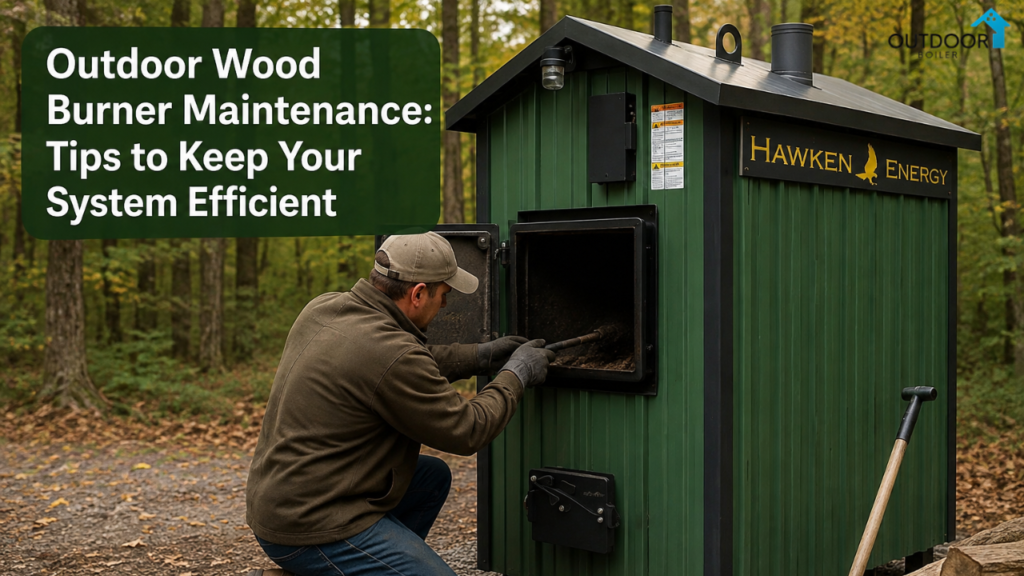
An outdoor wood burner can provide dependable heat for your home, workshop, water system, or other heating applications, but regular maintenance is essential for keeping it efficient and safe. Simple tasks such as removing ash, checking the firebox, inspecting the chimney, and using properly seasoned firewood can make a noticeable difference in how well your system performs.
Why Regular Outdoor Wood Burner Maintenance Matters
An outdoor wood burner is designed to operate in demanding conditions. It is exposed to weather, heat, moisture, ash, smoke, and combustion byproducts throughout the heating season. Over time, these factors can affect the condition and efficiency of the system.
Routine maintenance helps you identify small problems before they become larger and more expensive issues. It can also help your wood burner maintain consistent heat output while reducing unnecessary buildup inside the firebox and chimney.
A well-maintained system is also easier to operate. When the fire burns properly and the components are in good condition, you are less likely to experience problems such as excessive smoke, poor heat transfer, or difficulty maintaining the desired temperature.
1. Remove Ash Regularly
Ash naturally accumulates whenever wood is burned. While a small amount of ash can sometimes help maintain a hot coal bed, excessive buildup can reduce the available space inside the firebox and interfere with proper combustion.
Check the ash level regularly and remove excess ash according to the manufacturer’s recommendations.
Always allow the system to cool sufficiently before handling ash. Even when ash appears cold, buried embers can remain hot for a surprisingly long time. Use an appropriate metal container with a secure lid if you need to store ash temporarily.
Do not place hot ash near combustible materials, structures, dry vegetation, or other potential sources of ignition.
2. Inspect the Firebox
The firebox is exposed to intense heat every time your outdoor wood burner operates, so it deserves regular attention.
Look for signs of deterioration such as:
- Cracks or damaged areas
- Excessive corrosion
- Warped metal
- Damaged doors or seals
- Unusual holes or thinning areas
- Deteriorated firebricks or refractory components
The exact components will vary depending on the design of your system. If you notice significant damage, consult the manufacturer’s instructions or have the unit inspected by a qualified professional before continuing regular operation.
Catching deterioration early can help prevent a relatively minor repair from developing into a more serious problem.
3. Keep the Chimney and Flue Clean
One of the most important maintenance tasks is keeping the chimney and flue system clean.
Burning wood produces smoke and combustion byproducts that can accumulate inside the flue. One of these substances is creosote, a combustible deposit that can build up when wood is burned under certain conditions.
The U.S. Environmental Protection Agency recommends having chimneys inspected and cleaned when necessary, particularly when creosote buildup is present.
The frequency of cleaning depends on factors such as how often you use the system, the type and moisture content of the wood you burn, and how efficiently the appliance operates.
If you are unsure about the condition of your chimney, arrange an inspection rather than waiting until you notice a problem.
4. Burn Properly Seasoned Firewood
The type of wood you burn has a major effect on the performance of an outdoor wood burner.
Freshly cut wood typically contains a significant amount of moisture. Burning wet or poorly seasoned wood can make combustion less efficient and may contribute to increased smoke and deposits inside the chimney.
Seasoned firewood has had time to dry and generally burns more effectively.
For best results:
- Store firewood in a dry, well-ventilated location
- Keep wood elevated off the ground when possible
- Protect the wood from excessive rain and snow
- Allow sufficient airflow around the stacked wood
- Avoid burning treated, painted, or contaminated wood
The EPA recommends burning dry, seasoned wood because it burns more efficiently and produces less smoke than wet wood. Read the FULL article HERE.
5. Check Door Seals and Gaskets
The doors and access points on an outdoor wood burner need to close properly. Damaged or deteriorated seals can allow unwanted air into the combustion chamber.
Inspect gaskets and seals periodically for:
- Cracking
- Flattening
- Fraying
- Hardening
- Missing sections
If a seal no longer appears to be functioning correctly, follow the manufacturer’s replacement recommendations.
A properly sealed firebox gives the system better control over airflow and combustion.
6. Inspect Water Connections and Plumbing
Many outdoor wood burners are connected to a hydronic heating system that circulates heated water to a building or other application.
If your system uses water circulation, periodically inspect accessible pipes, fittings, valves, and connections for signs of leakage or damage.
Look for:
- Damp areas
- Water stains
- Corrosion
- Loose fittings
- Damaged insulation
- Unusual changes in water levels or pressure
Do not ignore a small leak simply because the system continues to operate. Water loss can affect system performance and may eventually lead to more significant problems.
Always follow the maintenance procedures specified for your particular system before opening or servicing any part of the plumbing.
7. Check the Water Treatment System
Outdoor wood burners with hydronic heating systems may require water treatment to help protect internal components from corrosion, mineral buildup, and other water quality problems.
The correct treatment depends on the system design and the water being used. It is important not to assume that adding a generic treatment product is appropriate.
Check the manufacturer’s recommendations for water quality, testing, and treatment.
If your system requires periodic testing, keep a record of the results. This makes it easier to identify changes over time and can help you spot potential issues before they become serious.
8. Inspect Insulation Around Heating Lines
If heated water travels from an outdoor wood burner to your home or another building, the underground or above-ground lines need adequate insulation.
Damaged or deteriorated insulation can allow heat to escape before the water reaches its destination. This can make the heating system work harder and reduce overall efficiency.
Periodically check accessible sections for:
- Cracked insulation
- Exposed piping
- Water damage
- Animal damage
- Loose protective coverings
- Areas where insulation has shifted
Underground components are more difficult to inspect, so unusual changes in heating performance may be worth investigating.
9. Keep the Area Around the Burner Clear
The area surrounding an outdoor wood burner should be kept clean and free from unnecessary combustible materials.
Remove leaves, branches, cardboard, fuel containers, and other materials that could potentially come into contact with heat or sparks.
Vegetation should also be managed around the unit according to local requirements and the manufacturer’s recommendations.
Keeping the surrounding area tidy does more than improve appearance. It also makes routine inspections easier and helps you notice leaks, corrosion, or other problems.
10. Inspect the System Before the Heating Season
One of the best times to perform a thorough inspection is before you need the system regularly.
After sitting unused for an extended period, an outdoor wood burner may have accumulated moisture, debris, corrosion, or other issues.
Before the heating season begins, inspect the major accessible components and confirm that:
- The firebox is in good condition
- The chimney and flue are clean
- Doors close properly
- Seals are intact
- Water connections are secure
- Pipes and insulation appear undamaged
- The surrounding area is clear
- Controls and safety components appear to be functioning correctly
If anything looks unusual, investigate the issue before putting the system under heavy seasonal use.
11. Watch for Changes in Performance
Your outdoor wood burner can often give you clues when something is not working as it should.
Pay attention to changes such as:
- More smoke than usual
- Difficulty maintaining temperature
- Firewood burning unusually quickly
- Reduced heat output
- Unusual odors
- Water leaks
- Excessive creosote buildup
- Unusual sounds
- Increased fuel consumption
A gradual decline in performance can be easy to overlook, particularly if the system still produces heat. However, changes in performance can indicate problems with combustion, airflow, water circulation, insulation, or another component.
Keeping a simple maintenance log can be useful. Record cleaning dates, inspections, repairs, and any noticeable changes in performance.
How Often Should an Outdoor Wood Burner Be Maintained?
There is no single maintenance schedule that applies to every outdoor wood burner.
The ideal frequency depends on the manufacturer’s recommendations, how frequently you use the system, the type of wood you burn, local weather conditions, and the design of your heating system.
A practical approach is to divide maintenance into three categories.
Regular Checks
During the heating season, monitor the firebox, ash level, water connections, seals, and overall operation.
Seasonal Maintenance
Before and after the main heating season, perform a more thorough inspection and cleaning. This is also a good time to check insulation, plumbing connections, and exterior components.
Professional Inspection
Chimneys, flues, pressure systems, electrical components, and other specialized parts may require professional inspection or servicing. Follow the manufacturer’s recommendations and applicable local requirements.
Common Outdoor Wood Burner Maintenance Mistakes
Even well-intentioned maintenance routines can create problems when important details are overlooked.
Burning Wet Wood
Wet wood can produce more smoke and may contribute to increased deposits inside the flue.
Ignoring Small Leaks
A small water leak can indicate a developing problem with a connection, valve, pipe, or another component.
Waiting Until Something Breaks
Preventive maintenance is generally easier than dealing with a major failure during the coldest part of the heating season.
Neglecting the Chimney
The firebox may look clean while the chimney contains significant deposits. Both areas need attention.
Using the Wrong Cleaning or Treatment Products
Always check the manufacturer’s recommendations before using chemicals, cleaning products, or water treatment products.
Forgetting About Safety Components
Do not focus only on efficiency. Temperature controls, pressure relief devices, electrical components, and other safety-related parts are equally important.
A Simple Outdoor Wood Burner Maintenance Checklist
Use this checklist as a general reminder, while always following the specific instructions provided with your equipment.
During operation:
- Check the fire and combustion behavior
- Monitor ash accumulation
- Look for leaks
- Watch for unusual smoke or odors
- Keep the surrounding area clear
Periodically:
- Inspect the firebox
- Check door seals and gaskets
- Inspect accessible plumbing connections
- Check insulation
- Look for corrosion
- Monitor water levels or pressure when applicable
Before the heating season:
- Clean the firebox
- Inspect the chimney and flue
- Check the system’s controls
- Inspect water connections
- Review safety components
- Stock properly seasoned firewood
When necessary:
- Arrange professional chimney cleaning
- Replace worn seals
- Repair damaged components
- Test or treat system water according to manufacturer recommendations
- Address unusual operating behavior
Final Thoughts
Always follow the maintenance and safety instructions supplied with your specific outdoor wood burner. Different models can have different requirements, and professional assistance may be appropriate for components that require specialized knowledge or equipment.
If you are looking for more information about outdoor heating systems, maintenance, installation, or efficient wood heating, visit our website or contact us to learn more and find resources that can help you make informed decisions about your heating setup.