





One of the most consistent questions Sacramento homeowners ask when exploring accessory dwelling unit construction is how long the entire process will take—from the first conversation with a builder to the day the unit receives its certificate of occupancy and is ready for occupancy. The honest answer is that ADU project timelines vary considerably based on the specific jurisdiction, the complexity of the design, the responsiveness of the permitting agencies involved, and the contractor’s scheduling and workload. However, a realistic general timeline for a straightforward detached ADU in the Sacramento region typically spans eight to sixteen months from initial consultation to final inspection.
Understanding each phase of the ADU development process—what happens, how long it takes, and what factors can accelerate or delay progress—allows homeowners in North Highlands, Carmichael, Citrus Heights, and communities throughout the Sacramento metropolitan area to plan more effectively, set realistic expectations, and make informed decisions about how to structure their project. Homeowners who enter the process with a clear picture of the timeline are also better positioned to coordinate financing, housing arrangements, and construction logistics without unpleasant surprises.
Pre-Design and Site Assessment: Weeks One Through Four
The ADU development process begins before any design work takes place, with a site assessment that establishes the physical and regulatory parameters governing what can be built on a specific property. A qualified ADU builder or designer will review the property’s lot dimensions, existing structures, utility locations, setback requirements, and applicable zoning standards to determine the range of ADU configurations that are feasible. This assessment also identifies any site-specific conditions—soil type, drainage, mature trees, utility easement locations—that could affect foundation design, unit placement, or construction cost.
For properties in Sacramento County and incorporated cities including Roseville, Folsom, Rancho Cordova, and Elk Grove, the site assessment by A+ Construction & Remodeling ADU Builders should include a review of the specific local ADU development standards in effect for the applicable jurisdiction. These standards govern maximum unit size, height limits, setback distances, parking requirements, owner-occupancy rules, and design compatibility standards, and they vary from one jurisdiction to another in ways that can meaningfully affect a homeowner’s design options. Completing this regulatory review before committing to a specific design direction saves time and money by eliminating configurations that are not approvable before resources are invested in their development.
Schematic Design and Permit Document Preparation: Weeks Four Through Ten
Once the site parameters are established and a general design direction is selected, the design team develops schematic plans that define the ADU’s footprint, floor layout, exterior appearance, and primary structural systems. This phase involves multiple rounds of review and refinement as the homeowner’s functional requirements are translated into a buildable design that satisfies both personal preferences and applicable code requirements. For many Sacramento homeowners, this is the most engaging phase of the project, as abstract goals begin to take concrete form in plan drawings and renderings.
Following schematic design approval by the homeowner, the design team prepares construction documents suitable for permit submission. These documents include architectural floor plans, elevations, and sections; structural engineering calculations and drawings; Title 24 energy compliance documentation; and any required civil or geotechnical reports. The completeness and accuracy of permit documents is one of the most important factors influencing how quickly a permit application advances through plan check, making investment in thorough documentation a sound strategic decision for homeowners who want to minimize permitting delays.
Permit Submission and Plan Check Review: Weeks Ten Through Twenty
Permit review timelines in the Sacramento region are among the most significant variables affecting total project duration. Sacramento County’s building department, along with those of Citrus Heights, Carmichael, Roseville, and other local jurisdictions, processes ADU permit applications through a plan check review that evaluates compliance with California’s residential building code, local zoning ordinances, and any applicable state ADU law provisions. For straightforward single-story detached ADU designs, initial plan check review may be completed in four to eight weeks at some jurisdictions, while more complex applications or those submitted to heavily burdened departments can take twelve to sixteen weeks or longer.
Most permit applications receive comments requiring corrections or additional information before a permit can be issued. The speed with which the design team responds to these comments and resubmits corrected documents is another significant timeline variable. Builders with direct experience submitting ADU applications to Sacramento-area plan checkers have an advantage here, as familiarity with local reviewers’ preferences and common correction patterns allows for more efficient resubmission. A+ Construction & Remodeling ADU Builders manages the permitting process on behalf of its clients throughout the Sacramento region, coordinating with building departments to track application status, respond promptly to correction notices, and expedite approval where available program options permit.
Construction Phase: Foundation, Framing, and Systems Rough-In
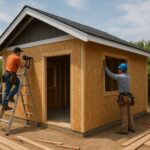
Once the permit is issued, construction can begin. For a typical detached ADU in the Sacramento area, the active construction phase spans three to six months, depending on the unit’s size, the complexity of its structural systems, and the contractor’s scheduling. The construction sequence begins with site preparation and foundation work—excavation, form-setting, reinforcement placement, and concrete pour—followed by framing, which establishes the ADU’s structural skeleton and defines its interior spaces. Foundation and framing inspections by the building department occur at designated stages and must be completed before subsequent work can proceed.
Following framing approval, trades contractors install rough mechanical, electrical, and plumbing systems within the wall and ceiling cavities before insulation and wallboard are applied. Each system—electrical, plumbing, and HVAC—is subject to its own rough-in inspection by the building department, and the sequencing of these inspections must be coordinated carefully to avoid delays. In Sacramento’s summer months, when construction activity peaks and building department inspection resources may be more heavily demanded, scheduling inspections promptly and avoiding unnecessary hold-ups at each phase is especially important for maintaining construction momentum.
Inspections, Finishes, and Systems Completion
After rough-in inspections are approved, the ADU transitions to the insulation, wallboard, and finish phase. This period involves installing insulation to meet Title 24 energy requirements, hanging and finishing drywall, installing exterior cladding and roofing if not already complete, and beginning the installation of finish plumbing fixtures, electrical devices, cabinetry, flooring, and doors. Each trade completes its finish work in sequence, and the overall pace during this phase depends heavily on the availability of subcontractor crews and the delivery lead times for specified finish materials and fixtures.
Building department inspections continue throughout the finish phase, with intermediate inspections for insulation, wallboard, and other designated stages required before work proceeds. Final trade inspections for electrical, plumbing, and mechanical systems take place after all finish installations are complete. Homeowners who have selected non-stock or custom finish materials should coordinate with their builder to ensure that these items are ordered sufficiently in advance to avoid construction delays caused by material lead times during the finish phase.
Final Inspection and Certificate of Occupancy
The project concludes with a final building inspection in which the building department’s inspector evaluates the completed ADU against all applicable permit conditions, code requirements, and approved construction documents. The final inspection covers a comprehensive range of items including structural completion, life-safety systems, egress provisions, electrical system integrity, plumbing fixture function, mechanical system operation, and energy compliance verification. A successfully completed final inspection results in the issuance of a certificate of occupancy, which officially authorizes the ADU for habitation and triggers the homeowner’s ability to lease the unit or begin occupancy by family members.
Any items identified as deficient during the final inspection must be corrected and re-inspected before the certificate of occupancy is issued. Experienced builders minimize final inspection corrections by conducting thorough internal quality reviews throughout construction and ensuring that all permit conditions are satisfied before the inspector arrives. For Sacramento homeowners who have invested eight to sixteen months in the ADU development process, the certificate of occupancy represents both the culmination of that investment and the beginning of the unit’s productive life as a residential and income-generating asset.
About A+ Construction & Remodeling ADU Builders
A+ Construction & Remodeling ADU Builders is a Sacramento-area general contractor providing comprehensive ADU development services from initial site assessment through certificate of occupancy for property owners in North Highlands, Sacramento, Roseville, Citrus Heights, Carmichael, Rancho Cordova, Folsom, and Elk Grove. The company manages every phase of the ADU project timeline with professional coordination, transparent communication, and a commitment to delivering completed units on schedule and within budget.
A+ Construction & Remodeling ADU Builders
3612 Madison Ave #33
North Highlands, CA 95660, United States
Phone: (916) 970-0047